The moment you announce your pregnancy, your mind starts racing with a thousand thoughts. Between doctor’s appointments, nursery planning, and midnight cravings, there’s one celebration that stands out as truly magical—the valakappu ceremony. But here’s what keeps many expectant mothers awake at night: how do you capture these precious moments without the photos looking stiff, awkward, or simply forgettable?
If you’ve been scrolling through Instagram at 2 AM, comparing gorgeous valakappu functions photoshoot images and wondering why yours might not turn out the same way, you’re not alone. The truth is, most families approach their baby shower photography with the same mistake—they treat it like just another event instead of the intimate, emotion-filled celebration it truly is.
Let me share something that might surprise you. After photographing over 200 valakappu ceremonies, I’ve discovered that the difference between ordinary snapshots and breathtaking photographs isn’t about expensive equipment or elaborate setups. It’s about understanding what this ceremony means to you and your family, then translating that emotion into images that will make your grandchildren’s grandchildren feel the love.
Why Your Valakappu Functions Photoshoot Deserves More Than Casual Pictures
Think about the last family gathering where someone just pulled out their phone to take pictures. Sure, you got some photos, but did they truly capture the essence of the moment? Did they show your mother’s tears of joy when she placed the bangles on your wrist? Did they freeze that split second when you felt your baby kick while surrounded by singing relatives?
The reality is stark: you only get one chance at this ceremony. Unlike your baby’s first birthday or their school graduation, the valakappu happens once per pregnancy. Miss the moment, and it’s gone forever. No do-overs, no second takes, no “let’s try that again next year.”
This is exactly why treating your valakappu photography as a priority, not an afterthought, changes everything. Professional documentation ensures that decades from now, when your child asks about the day their family blessed them before birth, you won’t have to rely on fading memories—you’ll have vivid, emotion-packed photographs that transport everyone back to that sacred day.
Understanding What Makes Valakappu Functions Photoshoot Different
Here’s where many families get confused. They assume that because they hired a photographer for their wedding, they know what to expect from a valakappu ceremony shoot. But these are completely different animals.
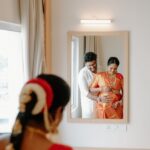
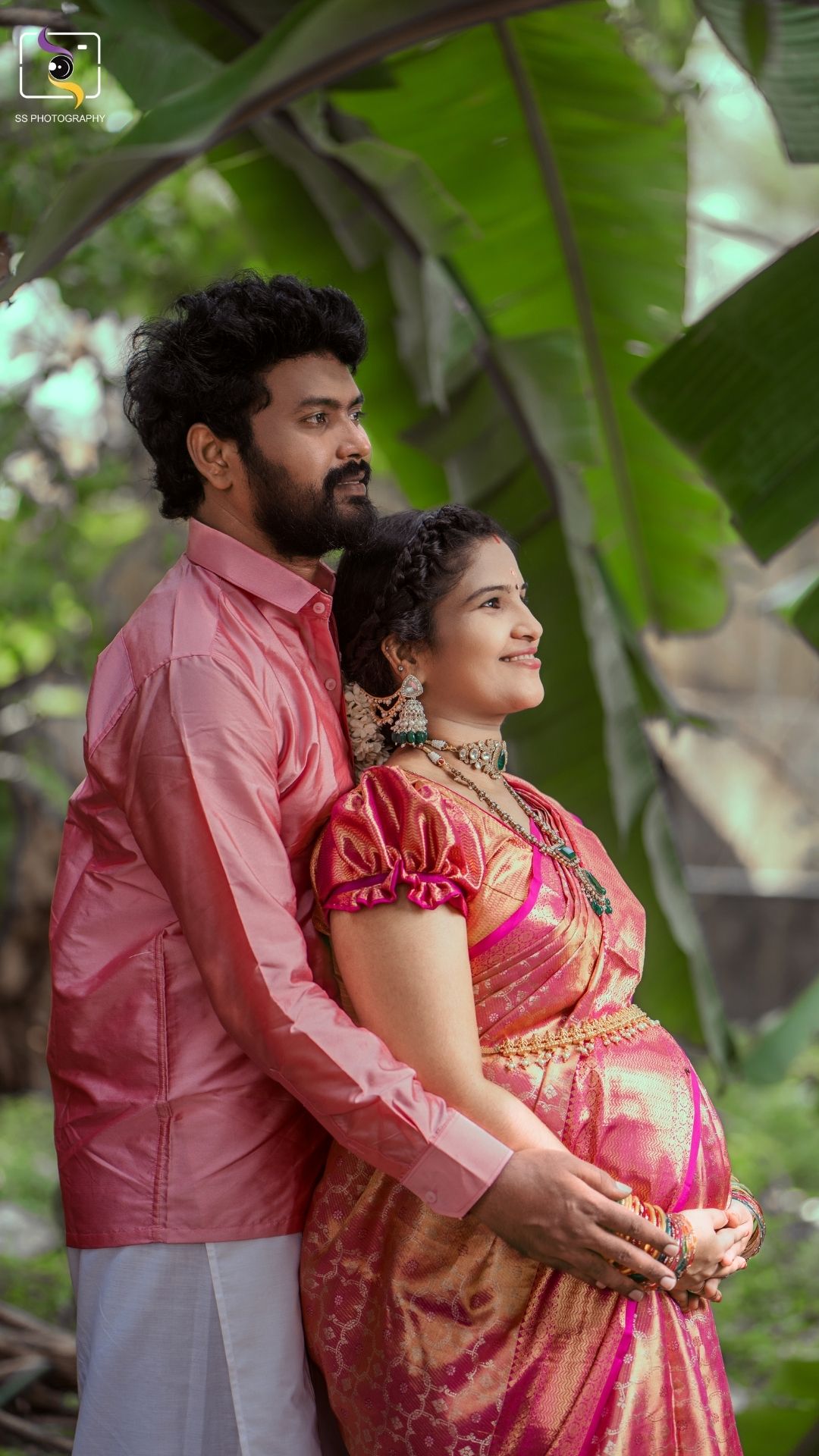
Wedding photography focuses on grandeur—the massive hall, hundreds of guests, elaborate decorations. Your wedding photographer captures scale and spectacle. But a valakappu functions photoshoot is intimate. It’s about the gentle touch of your grandmother’s weathered hands as she applies turmeric paste. It’s about your partner’s protective gaze as he wraps his arms around you and your growing belly. It’s about your best friend’s emotional breakdown because she can’t believe her “wild child” friend is about to become a mother.
The technical requirements differ too. Valakappu ceremonies typically happen in homes or smaller venues with challenging lighting conditions. The ceremony involves constant movement—relatives coming and going, rituals being performed in different areas, spontaneous emotional moments erupting unpredictably. Your photographer needs to be a ninja, present everywhere yet invisible, capturing authentic moments without disrupting the sacred flow of the ceremony.
Planning Your Valakappu Functions Photoshoot: The Timeline Nobody Tells You About
Most families start thinking about photography one week before the ceremony. By then, the good photographers are already booked, and you’re left scrambling. Here’s the timeline that actually works:
Three Months Before: Start researching photographers who specialize in cultural ceremonies. Don’t just look at their portfolios—look at how they capture emotions. Do their photos tell stories, or do they just document people standing in rows? Check if they have experience with valaikappu function poses specifically, because posing a pregnant woman requires special knowledge.
Two Months Before: Have detailed conversations with your top three photographer choices. Ask them about their approach to valakappu ceremonies. Do they understand the significance of each ritual? Will they capture your mother blessing you with coconuts? Will they document the thread-tying ceremony? A photographer who just shows up and shoots randomly will miss the moments that matter most.
Six Weeks Before: Finalize your valaikappu photoshoot price and sign the contract. Don’t choose based solely on cost—choose based on value. The cheapest photographer might save you money today but will cost you irreplaceable memories tomorrow.
One Month Before: Have a pre-ceremony consultation. Share your vision, discuss the venue layout, explain which family members are particularly important to you. This conversation makes the difference between a photographer who shoots what they see and one who shoots what you’ll want to remember.
Two Weeks Before: Visit the venue with your photographer if possible. Understand the lighting challenges, identify the best spots for valaikappu couple poses, and plan backup locations in case weather doesn’t cooperate.
The Hidden Pain Points That Ruin Valakappu Photography (And How to Avoid Them)
Pain Point #1: The Coordination Chaos
Picture this: Your ceremony is in full swing. Aunties are singing, your mother is emotional, and your photographer is desperately trying to organize everyone for a group photo. Twenty minutes later, people are frustrated, babies are crying, and that magical moment has evaporated.
Solution? Work with a photographer who understands that the best photos happen naturally. Yes, you need some posed family portraits, but these should be done efficiently, either before the ceremony begins or immediately after. During the actual rituals, your photographer should be a documentary-style observer, not a drill sergeant barking orders.
Pain Point #2: The Awkward Pose Problem
You’re seven months pregnant. You’re glowing, you’re beautiful, but you’re also uncomfortable, possibly swollen, and definitely not feeling like a supermodel. The last thing you need is a photographer asking you to twist into unnatural positions that make you look stiff and miserable.
This is where specialized knowledge in valakappu function photography makes all the difference. Experienced photographers know angles that flatter pregnancy bodies. They understand that you might need to sit for certain shots, that you’ll want support for others, and that comfort always trumps that “perfect pose” they saw on Pinterest.
Pain Point #3: The Missing Moments Tragedy
After your ceremony ends, you’ll review your photos and realize your photographer missed your father’s emotional moment, didn’t capture your husband’s reaction when the baby kicked during the ceremony, and somehow completely overlooked your grandmother blessing you—the woman who traveled eight hours just to be there.
Prevention requires clear communication. Before the ceremony, create a “must-capture” list. Not just “group photos with family” but specific moments: “When my mother places the bangles,” “When my husband stands beside me during the aarti,” “My grandmother’s blessing—she’s 85 and this might be her last valakappu ceremony.”
Creating the Perfect Environment for Your Valakappu Functions Photoshoot
Lighting can make or break your photographs. Most valakappu ceremonies happen during daytime hours, which is ideal—natural light is a photographer’s best friend. But here’s what you need to consider:
If your ceremony is indoors, position the main ritual area near large windows. Morning ceremonies benefit from soft, diffused light that’s incredibly flattering. Afternoon ceremonies require attention to harsh sunlight—your photographer might suggest sheer curtains to soften the light.
For outdoor ceremonies, consider the sun’s position. A midday ceremony under harsh overhead sun creates unflattering shadows and makes everyone squint. Late morning or early afternoon, when the sun is at a 45-degree angle, produces gorgeous, dimensional lighting.
Decoration also impacts photography. While elaborate setups look impressive in person, sometimes they overwhelm the actual subjects—you and your family. The latest valakappu function trends favor elegant simplicity: flower backdrops that provide visual interest without competing for attention, traditional elements that honor heritage without cluttering the frame.
The Art of Capturing Authentic Emotions
Here’s a secret that separates amateur snapshots from professional photographs: authentic emotion cannot be posed. You cannot ask someone to “look emotional” and get genuine results. Instead, true feeling emerges from genuine moments.
Your photographer should understand this intuitively. They should position themselves to capture your mother’s face when she first sees you dressed for the ceremony. They should have a camera ready when your usually-stoic father gets misty-eyed during the blessing. They should notice when your little niece gently touches your belly, wondering about the cousin who’ll soon become her playmate.
These unscripted moments become the photographs you’ll treasure most. Twenty years from now, the perfectly posed family portrait will be nice, but the candid shot of your grandmother laughing while trying to fit yet another bangle on your wrist—that’s the image that will make you laugh and cry simultaneously.
Technical Considerations That Matter (Without Getting Boring)
You don’t need to become a photography expert, but understanding a few key concepts helps you evaluate photographers and set realistic expectations.
Coverage Duration: A typical valakappu ceremony lasts three to four hours. Your photography package should cover the entire event, from pre-ceremony preparations (you getting dressed, decorations being finalized) through the ceremony itself and post-ceremony family time. Photographers who quote rates based on “number of hours” might leave before capturing those beautiful sunset photos with your family.
Deliverable Timeline: Professional editing takes time. Expect to receive your complete photo collection within two to four weeks. Be wary of photographers promising same-day delivery—proper culling (selecting the best images), color correction, and editing cannot be rushed without sacrificing quality.
Digital Rights: Ensure your contract explicitly states that you receive high-resolution digital files with full usage rights. Some photographers try to maintain ownership, forcing you to pay additional fees every time you want to print or share your photos. Your memories should be yours, completely and forever.
Styling Your Valakappu Functions Photoshoot for Timeless Beauty
Fashion trends come and go, but certain styling choices create photographs that remain beautiful decades later. Your valakappu photoshoot attire should balance traditional elements with personal style.
Traditional silk sarees in rich jewel tones photograph beautifully. The texture and drape of silk adds dimension to images, while colors like deep red, emerald green, or royal blue remain timeless. However, if silk feels too heavy or formal for your personality, consider lighter fabrics in traditional colors—the authenticity of your comfort always photographs better than forced formality.
Jewelry deserves special consideration. Traditional gold jewelry honors heritage and photographs gorgeously, but don’t overdo it. Remember, you’re pregnant and likely dealing with swelling—uncomfortable jewelry leads to uncomfortable expressions. Choose pieces that feel special without feeling burdensome.
Your partner’s attire should complement yours without matching exactly. Coordinating color families work beautifully: if you’re wearing red, he might wear cream with red accents. The goal is looking like a couple, not like you’re wearing costumes.
Working with Your Photographer During the Ceremony
Once your valakappu ceremony begins, your role shifts from planner to participant. Trust your photographer to do their job. Constantly checking if they’re capturing everything actually prevents you from being present in the moment—and that presence shows in photographs.
However, subtle communication helps. If a particularly important ritual is about to begin, a quick glance toward your photographer ensures they’re positioned optimally. If a special family member arrives, a discreet point in their direction gives your photographer context.
Also, remember that your photographer is human. They might discreetly ask you to pause for better positioning or request that a guest move slightly to clear their shot line. These small adjustments take seconds but dramatically improve results. Cooperate graciously—you hired them for their expertise.
Post-Ceremony: Maximizing Your Photography Investment
Your photographer delivers hundreds of beautiful images. Now what? Many families download the files, share a few on social media, then forget about them until they accidentally discover them years later on an old hard drive.
Don’t let your memories languish in digital purgatory. Create tangible products: a premium photo album that sits on your coffee table, canvas prints that transform your walls into a gallery of this special time, a digital frame that cycles through images in your nursery.
Consider creating different collections for different purposes. A highlights album for quick sharing, a comprehensive collection for family members, a special set for your child to receive when they’re older. These curated collections tell the story of their welcoming ceremony in ways that mean something.
The Investment Perspective: Understanding Valakappu Photography Costs
Let’s address the elephant in the room: professional photography isn’t cheap. Packages typically range from basic coverage starting around ₹15,000 to comprehensive packages exceeding ₹50,000. These numbers can feel shocking, especially when your Uncle Kumar offers to bring his “good camera” and shoot for free.
Here’s the reality check you need: professional photographers bring more than equipment. They bring years of experience, backup equipment in case something fails, editing expertise, understanding of ceremony flow, and most importantly, the ability to capture fleeting moments you’ll never get back.
That said, cost shouldn’t mean going into debt. Prioritize based on your values. If photography matters deeply to you, allocate budget accordingly. If it’s less important, consider a photographer who offers shorter coverage or smaller packages.
Just avoid the trap of choosing based solely on lowest price. As with most things in life, you generally get what you pay for. The photographer charging ₹8,000 for full coverage is either desperate for work (red flag) or planning to deliver minimal effort (bigger red flag).
Common Questions About Valakappu Functions Photoshoot
How many photos should I expect from my valakappu ceremony?
For a three to four-hour ceremony, professional photographers typically deliver 200-400 edited images. This number varies based on ceremony size, number of rituals, and family size. More isn’t necessarily better—quality matters more than quantity. You’d rather have 250 stunning images than 800 mediocre ones.
Should I have a separate photoshoot before the ceremony?
Many couples opt for a dedicated couple’s photoshoot either before the main ceremony or on a different day entirely. This allows for creative couple photoshoot concepts without the time pressure of the ceremony schedule. If this interests you, discuss it during your initial photographer consultation—many offer combo packages at better rates.
What if I’m camera shy or feel uncomfortable being photographed?
This is incredibly common, especially during pregnancy when many women feel self-conscious about their changing bodies. A skilled photographer helps you relax. They’ll start with candid shots during natural moments, allowing you to forget the camera exists. For posed photos, they’ll guide you through flattering positions while chatting naturally, making it feel more like a conversation than a photoshoot.
Can we include our pets in the photography?
Absolutely! Your fur babies are family members too. If your dog or cat is well-behaved around crowds, including them in some photos adds personality and joy. Just warn your photographer in advance—animal photography requires different techniques and additional patience.
What happens if the weather doesn’t cooperate for outdoor ceremonies?
Professional photographers always have backup plans. If rain threatens your outdoor ceremony, they’ll scout indoor locations with good natural light. Some of the most beautiful photos happen during overcast days—clouds act as natural softboxes, creating incredibly flattering light. Trust your photographer’s expertise in adapting to conditions.
Your valakappu ceremony marks the beginning of your child’s story. The way you document this celebration becomes part of your family’s legacy, passed down through generations. When your daughter celebrates her own valakappu twenty-five years from now, she’ll look at your photos and understand the love that surrounded her before she even drew her first breath.
Investing time, thought, and resources into your valakappu functions photoshoot isn’t vanity—it’s preservation. You’re creating a visual love letter to your future child, a tangible reminder that they were wanted, celebrated, and blessed long before they arrived.
So yes, put down your phone during the ceremony. Stop worrying about capturing everything yourself. Hire someone who understands the sacred weight of this moment, someone who won’t just document the event but will capture the emotion, the blessing, the pure joy of this chapter in your journey toward motherhood. Your future self—and your child—will thank you for it.